
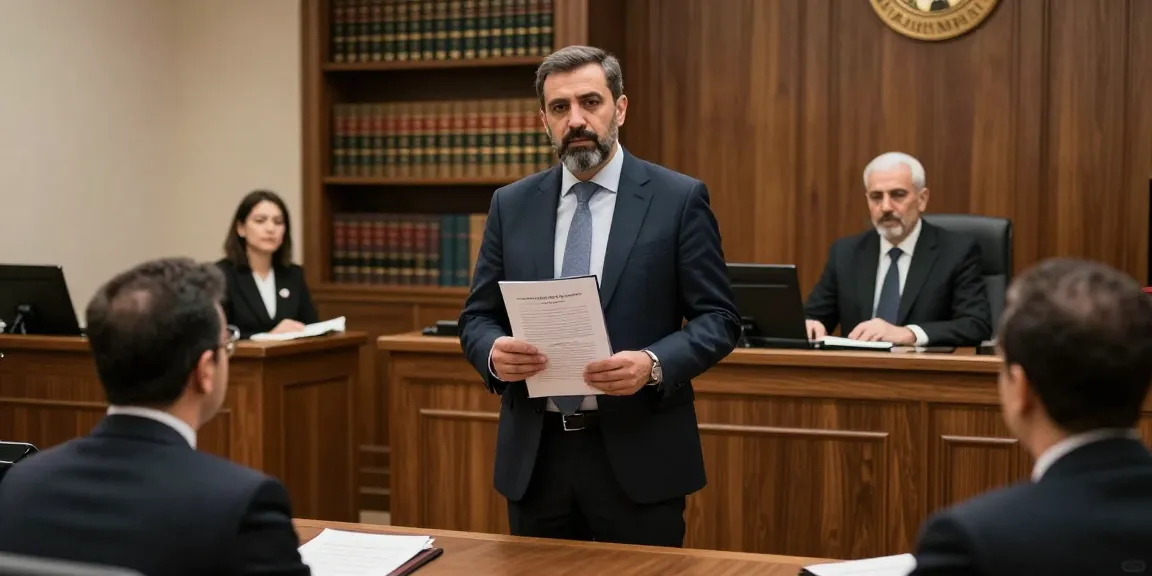
The Role of a Turkish Lawyer in Today’s Legal Landscape
In an ever-evolving world, the role of a turkish lawyer is becoming increasingly crucial. With Turkey’s legal system rooted in a unique blend of civil and Islamic law, understanding the functions and responsibilities of a Turkish lawyer is vital for anyone navigating the legal landscape in the country. This article delves into the intricacies of the Turkish legal system, the key responsibilities of legal practitioners, and the importance of having competent legal representation.
Understanding the Turkish Legal System
The Turkish legal system is distinctive, characterized by its dualistic nature. It encompasses civil law, primarily influenced by European legal frameworks, and Islamic law, which plays a significant role in personal status issues. The Constitution of Turkey, enacted in 1982, establishes the framework for law and governance, ensuring principles of democracy, human rights, and the rule of law. Courts in Turkey range from local courts to the Supreme Court of Appeals, with each tier addressing different aspects of legal issues.
Moreover, recent amendments to legal regulations reflect Turkey’s effort to align its system with European Union standards. With these changes come new challenges and opportunities for legal practitioners, emphasizing the need for Turkish lawyers to stay informed and adaptable.
Key Responsibilities of a Turkish Lawyer
Turkish lawyers have diverse responsibilities that are fundamental to ensuring justice and upholding the law. These responsibilities include:
- Legal Consultation: Offering expert advice to clients regarding their legal rights and obligations.
- Representation in Court: Acting on behalf of clients in legal proceedings, ensuring that their rights are protected.
- Contract Drafting and Review: Preparing legal documents, such as contracts and agreements, to prevent disputes and clarify intentions.
- Negotiation: Engaging in discussions on behalf of clients to reach amicable resolutions in disputes.
- Research: Conducting extensive legal research to support cases and provide informed counsel.
These roles are crucial, especially in a complex legal landscape where misunderstandings can lead to severe consequences for individuals and businesses alike.
Importance of Legal Representation
Having skilled legal representation is essential for navigating the Turkish legal system. Whether facing civil disputes, family law issues, or criminal allegations, an experienced Turkish lawyer can provide invaluable support. A lawyer’s expertise can help clients understand the legal processes, prepare necessary documentation, and represent their interests effectively in court.
In cases involving international law, Turkish lawyers often work with foreign entities, necessitating an understanding of both local and international laws. This dual expertise can be pivotal in cases involving cross-border disputes.
Challenges Faced by Turkish Lawyers
Common Misconceptions About Legal Services
Despite their critical role, there are several misconceptions about the services provided by Turkish lawyers. One common myth is that legal assistance is only necessary in serious legal troubles. In reality, preventative legal guidance can save clients from costly disputes and misunderstandings in the long run.
Another misconception is that all legal matters are straightforward. The truth is that the complexities of Turkish law require specialized knowledge, and navigating these complexities without professional guidance can be risky.
Addressing Client Expectations
Managing client expectations is another challenge faced by Turkish lawyers. Clients may have unrealistic ideas about the speed and outcome of legal proceedings. Clear communication about the legal process, timelines, and potential outcomes is essential to ensure clients remain informed and understand what to expect.
Lawyers should also educate clients on the implications of their decisions, fostering an environment of trust and collaboration.
Adapting to Technological Changes in Law
As with many professions, technology is reshaping how legal services are delivered in Turkey. From digital document management to online dispute resolution, Turkish lawyers must adapt to these changes to remain competitive.
Utilizing legal technology not only enhances efficiency but also improves client engagement. Lawyers who leverage technology can offer better services and reduce traditional barriers associated with legal processes.
Best Practices for Hiring a Turkish Lawyer
Identifying Your Legal Needs
Before hiring a Turkish lawyer, it is crucial to identify your specific legal needs. Are you dealing with a family law issue, a commercial dispute, or perhaps a criminal matter? Understanding the area of law relevant to your situation will help in finding a lawyer with the appropriate specialization.
Furthermore, having a clear outline of your objectives can facilitate effective communication with potential lawyers, ensuring that they grasp the nuances of your case from the outset.
Evaluating Qualifications and Experience
When considering a Turkish lawyer, evaluating their qualifications and experience is paramount. Look for lawyers who are members of the bar association and have a track record in the relevant area of law. Experience with similar cases can be a significant predictor of success, making it essential to inquire about past outcomes and client satisfaction.
Additionally, comprehensive research into their professional reputation, including client testimonials and peer reviews, can provide insight into their competence and reliability.
Questions to Ask During Consultations
During initial consultations, asking the right questions can help you gauge the suitability of a Turkish lawyer for your needs. Consider asking about:
- Experience in handling cases similar to yours
- Fee structures and payment options
- Approach to communication and updates
- Expected timelines for your case
- Strategy for achieving your desired outcome
These questions not only clarify the lawyer’s approach but also allow you to determine if their working style aligns with your expectations.
Future Trends in Turkish Legal Services
Emerging Areas of Law in 2026
As we look towards 2026, several emerging areas of law are gaining prominence in Turkey. The rapid growth of technology has led to increased demand for legal expertise in fields such as intellectual property, cyber law, and data protection. As businesses navigate the complexities of digital transformation, Turkish lawyers specializing in these areas will play a vital role in ensuring compliance with evolving regulations.
In addition, environmental law is becoming increasingly significant, driven by global trends towards sustainability and corporate social responsibility.
Impact of Global Legal Trends on Local Practices
Globalization continues to influence local legal practices, with Turkish lawyers often required to understand international regulations and standards. The integration of Turkey into the global economy necessitates that legal practitioners remain vigilant about changes in international law and bilateral agreements.
As trade relationships evolve and international disputes become more common, the ability to navigate cross-border legal issues will be a crucial skill for Turkish lawyers in the future.
Innovations in Legal Technology
Legal technology innovations are not just trends; they represent a significant shift in how legal services are delivered. AI, machine learning, and blockchain technology are being integrated into legal practices, enabling lawyers to enhance their research capabilities and streamline administrative tasks.
Law firms that prioritize technological adoption will likely see improved client satisfaction and operational efficiencies, setting the standard for legal practices in Turkey.
Frequently Asked Questions About Turkish Lawyers
What should I look for in a Turkish lawyer?
When selecting a Turkish lawyer, consider their specialization, experience, and reputation. A lawyer with a strong background in the area relevant to your legal needs will be better equipped to handle your case effectively.
How do Turkish lawyers charge for their services?
Turkish lawyers may charge either on an hourly basis or through fixed fees, depending on the nature of the case and the complexity involved. It’s important to discuss fees upfront during your initial consultation.
What are the common legal issues handled by Turkish lawyers?
Turkish lawyers handle a wide range of legal issues, including family law, commercial law, criminal law, immigration issues, and real estate disputes. Their expertise spans various sectors, providing comprehensive legal support.
How can I ensure effective communication with my Turkish lawyer?
Establishing effective communication with your Turkish lawyer starts with setting clear expectations regarding updates and preferred communication methods. Regular check-ins and open dialogue will create a collaborative approach to your legal matter.
What are the latest legal developments in Turkey for 2026?
As of 2026, significant legal developments are anticipated in areas related to technology regulation, environmental protection, and human rights. Staying informed about these changes will be essential for both lawyers and clients navigating Turkey’s legal landscape.
